
Fashion, textiles and accessories can contribute to national development when Ghana treats them as one connected system. Heritage gives the sector its identity; education builds skill; manufacturing creates scale; finance enables growth; trade opens markets; tourism creates visibility; and data shows whether progress is real. None of these elements can succeed alone.
The first responsibility is to protect living heritage. Weaving communities, beadmakers, dyers, leatherworkers and traditional authorities should lead the documentation of techniques, names, meanings and appropriate uses. Cultural institutions and universities can support this work, but ownership and consent must remain clear. UNESCO recognition of kente should become a platform for stronger safeguarding, authentic labelling and fair benefit for weaving communities.
The second responsibility is to build production capacity. Ghana needs reliable access to cotton, yarn, dyes, glass, leather, machinery and repair services. Shared facilities can help small producers improve finishing and fulfil larger orders. Industrial garment factories and independent designers should be linked through sampling, pattern development, contract manufacturing and quality control rather than operating as separate worlds.
The third responsibility is to finance the value chain. Banks, development institutions and public funds should create products suited to seasonal orders, equipment purchases and export contracts. Producer groups must improve bookkeeping, governance and delivery discipline so that finance leads to sustainable businesses. Public and corporate procurement can give local firms dependable demand when contracts are transparent and payments are timely.
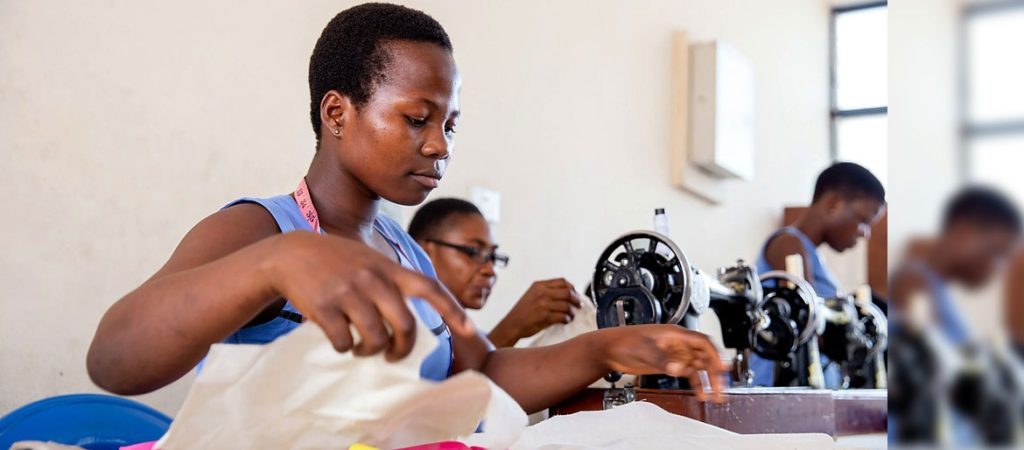
The fourth responsibility is to develop people. Apprenticeship remains essential, but it should be strengthened with design history, digital skills, business management, worker safety and environmental practice. Schools and tertiary institutions should expose learners to weaving, textiles, fashion technology and accessories as serious careers. Competitions and fashion shows should lead to mentorship, placements, incubation and market opportunities.
The fifth responsibility is to build markets with integrity. Ghanaian products require professional photography, packaging, e-commerce, export support and retail spaces that explain origin accurately. Tourism routes can connect Accra’s fashion ecosystem with kente, smock, adinkra, bead and basket communities. Diaspora markets should be approached through reliable sizing, delivery and customer service, not cultural appeal alone.
The sixth responsibility is to measure results. Government estimates indicate substantial economic activity, but Ghana needs regular official data that separates textiles, garments, footwear, jewellery and other accessories. Progress should be visible in apprentices trained, enterprises financed, local inputs used, jobs sustained, exports completed, designs protected and waste reduced.
The National Commission on Culture’s Fashion, Textiles and Accessories Month provides a timely cultural frame for this agenda. Its lasting value will depend on what remains after November: stronger artisans, better trained young people, functioning production networks, reliable markets and heritage that communities can pass on with dignity. Ghana already possesses the creativity. National development requires the organisation, investment and shared responsibility to carry that creativity from the loom and workshop into enduring prosperity.