
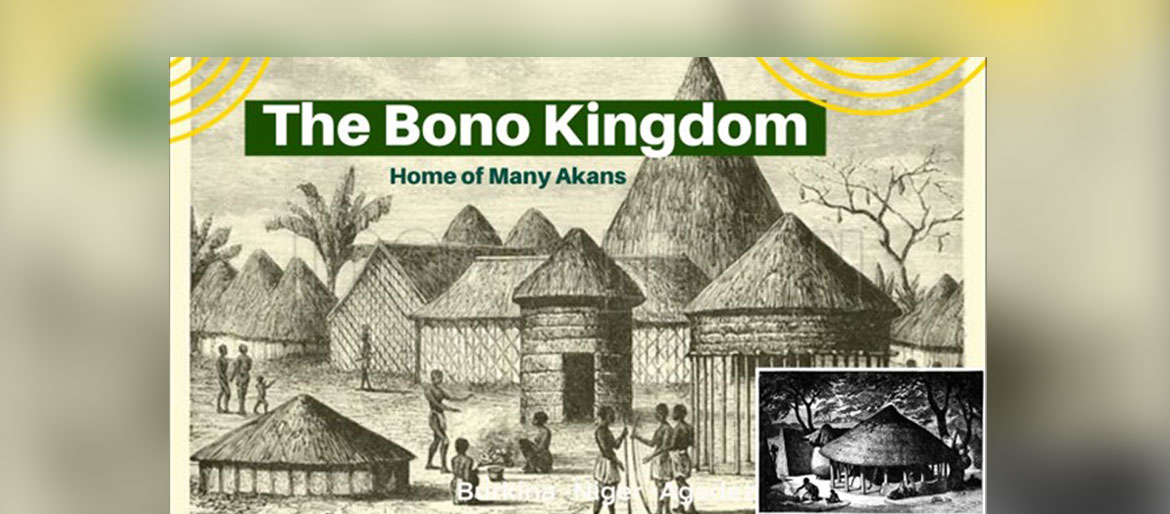
Within the forest belt of present-day Ghana, the emergence of the Bono Kingdom marked a decisive phase in the formation of early Akan civilization. Centered at Bono Manso, Bono is widely recognized as one of the earliest centralized Akan states, flourishing well before the rise of later powers such as Asante.
Archaeological and oral traditions suggest that Bono developed into a sophisticated political and economic center as early as the 13th to 15th centuries. Its wealth was anchored in gold production, which was extracted from the forest zones and traded across extensive networks that linked the region to the wider West African and trans Saharan economies. Merchants from northern territories and beyond passed through Bono, exchanging salt, cloth, and other goods for gold, kola nuts, and agricultural produce.
The political organization of Bono introduced enduring features of Akan governance, including stool-based authority, lineage systems, and structured chieftaincy institutions. These systems later influenced the formation of other Akan states such as Denkyira, Akyem, and ultimately Asante. Bono therefore stands not only as an economic power but as a cultural and institutional foundation for Akan identity.
By the time European traders arrived along the Gold Coast in the 15th century, the reputation of inland gold producing states like Bono had already spread widely. Although Bono itself was inland, its gold moved through intermediary networks to coastal trading points, gradually integrating the region into emerging Atlantic trade systems.
Over time, this gold would become central to global economic transformations. It contributed to the rise of Atlantic commerce and linked the region directly to the histories of the Americas, particularly in places such as Brazil and the Caribbean. In this way, the legacy of Bono extends beyond Ghana, forming part of the material and historical foundations of the African diaspora.