
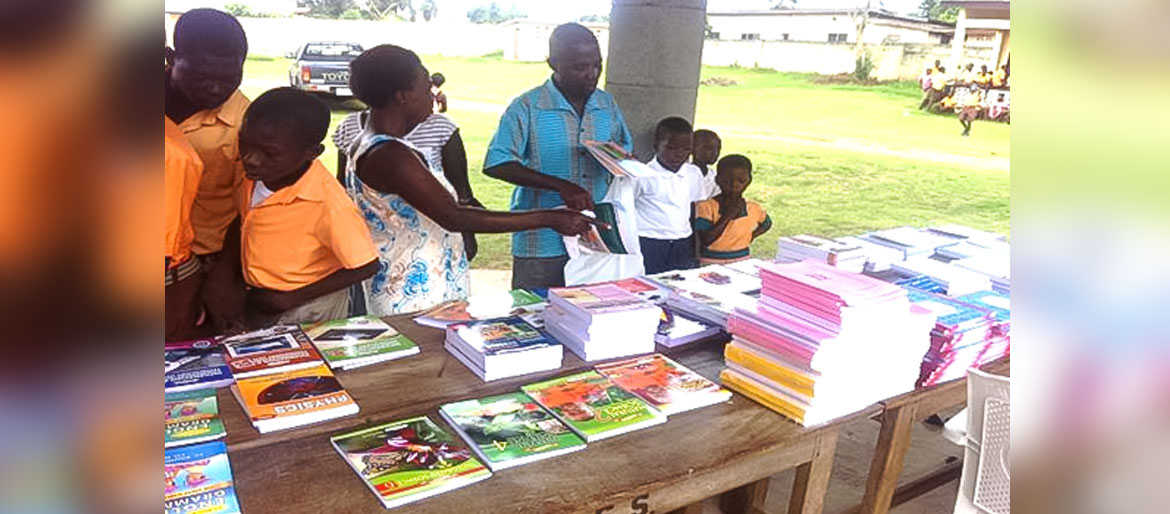
Reading culture is a cornerstone of educational excellence, intellectual growth, and national competitiveness. A society that cultivates strong reading habits nurtures independent thinkers, informed citizens, and innovative leaders. Reading enhances vocabulary development, comprehension skills, analytical reasoning, and cognitive flexibility. It strengthens imagination, deepens empathy, and broadens perspective. For students in particular, consistent exposure to books improves academic performance across disciplines, including science, technology, social studies, and the arts.
Within this framework, book fairs organized during Literacy and Literary Month are not simply ceremonial gatherings or commercial exhibitions. They are strategic cultural and educational interventions designed to expand access to knowledge resources and encourage reading as a lifelong practice. By bringing books directly into communities, schools, and cultural centres, the National Commission on Culture reduces barriers to access and stimulates public interest in literary engagement.
Book fairs contribute to national development in multiple measurable ways. They increase visibility and accessibility of locally published materials, ensuring that Ghanaian perspectives, histories, and narratives are readily available to the public. They encourage youth engagement with literature by creating interactive environments where students can meet authors, attend reading sessions, and participate in literary discussions. Such interactions demystify the writing profession and inspire young people to pursue creative and intellectual careers.
Furthermore, book fairs support the sustainability of Ghana’s publishing industry. By providing a marketplace for publishers, printers, illustrators, editors, and booksellers, these events stimulate economic activity within the creative sector. The circulation of locally produced books strengthens domestic intellectual property systems and reduces dependence on imported content. In doing so, book fairs contribute to the growth of Ghana’s creative economy, which is increasingly recognized as a driver of employment and innovation.
Book fairs also foster professional networking and collaboration. Authors engage directly with educators, curriculum developers, librarians, and cultural administrators. These interactions promote curriculum relevance, encourage local content integration into educational systems, and strengthen partnerships between the cultural and educational sectors.
By strengthening demand for Ghanaian books, the National Commission on Culture contributes to sustaining the local publishing ecosystem and encouraging long term investment in literary production. Increased readership creates a virtuous cycle in which publishers are motivated to produce higher quality content, writers are encouraged to develop new works, and communities benefit from enriched intellectual resources.
In this way, book fairs serve as both educational platforms and economic catalysts. They reinforce the message that reading is not a passive activity, but an active driver of national progress.