
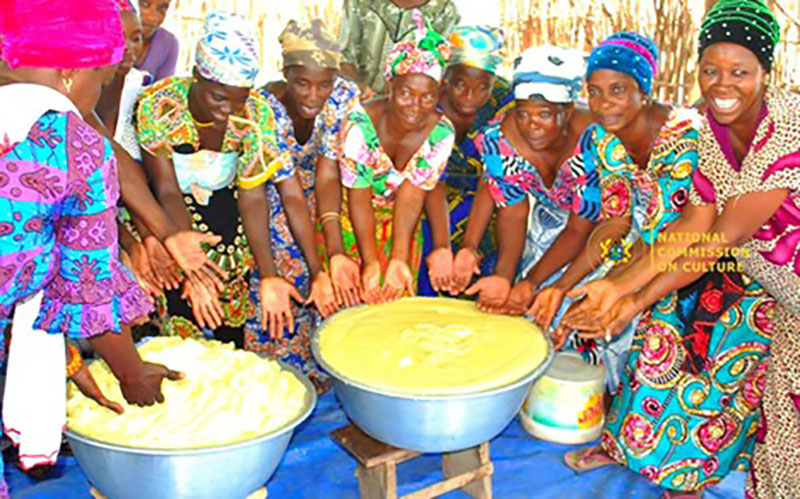
Shea butter, known locally as nkuto, is more than just a cosmetic or economic commodity in Ghana. it is a symbol of tradition, resilience, and cultural pride. Extracted from the nuts of the shea tree (Vitellaria paradoxa), which grows predominantly in the Northern, Upper East, and Upper West regions of Ghana, this rich, creamy substance has been used for centuries for skincare, cooking, and medicinal purposes. The process of shea butter extraction, passed down through generations, reflects a deep connection between the land, the people, and their heritage.
Traditional Extraction: A Communal Legacy
The traditional method of shea butter extraction is labor-intensive and deeply communal. Women, who are the primary custodians of this craft, engage in a multi-step process that includes harvesting, drying, crushing, roasting, grinding, kneading, and boiling. Each stage of production is steeped in ritual and collective participation, often accompanied by singing, storytelling, and the passing on of indigenous knowledge.
The shea tree itself is considered sacred in many communities. Cutting it down is frowned upon, and harvesting the nuts is governed by local customs that emphasize sustainability and respect for nature. This relationship underscores the spiritual and ecological awareness embedded in Ghanaian culture.
A Symbol of Feminine Strength and Empowerment
Shea butter production is predominantly led by women, making it not only a cultural tradition but also a powerful driver of female economic empowerment. Women’s cooperatives have sprung up across northern Ghana, turning traditional knowledge into viable businesses. These groups produce shea butter for both local use and international export, providing income, education, and independence to thousands of women.
Through this work, women gain financial autonomy and social recognition, strengthening their roles within their families and communities. The shea industry thus serves as a bridge between heritage and modern development.
Cultural Uses and Significance
In Ghanaian households, shea butter plays an essential role beyond its commercial value. It is used in rituals such as naming ceremonies, weddings, and funerals. Babies are massaged with it for good health and skin protection. It is also used in cooking and as a base for traditional medicines. These practices reinforce shea butter’s place in the cultural and spiritual life of Ghanaian people.
The scent of roasted shea nuts and the sight of women working together under the sun evoke a sense of continuity, memory, and belonging. It is not merely a product but a living testament to Ghana’s identity.
Global Recognition, Local Roots
Today, Ghanaian shea butter is renowned worldwide for its quality and purity. As demand increases in international markets for natural and organic products, Ghana stands as one of the leading exporters of raw shea butter. Despite this global interest, the core of shea butter production remains deeply rooted in local traditions and cultural practices.
Efforts are ongoing to protect the intellectual property and traditional knowledge associated with shea butter through geographic indications and fair-trade certifications. These initiatives aim to ensure that the communities who have preserved this heritage for centuries benefit equitably from their global success.