
Ghana, a nation rich in cultural diversity and history, holds a deep-rooted tradition of medicine that predates colonialism. The extraction and use of indigenous medicine are not merely health practices but are woven into the very fabric of the country’s heritage and cultural identity. Traditional medicine in Ghana represents centuries of accumulated knowledge, passed down through generations, rooted in the observation of nature, spirituality, and communal living.
The Foundations of Indigenous Medicine in Ghana
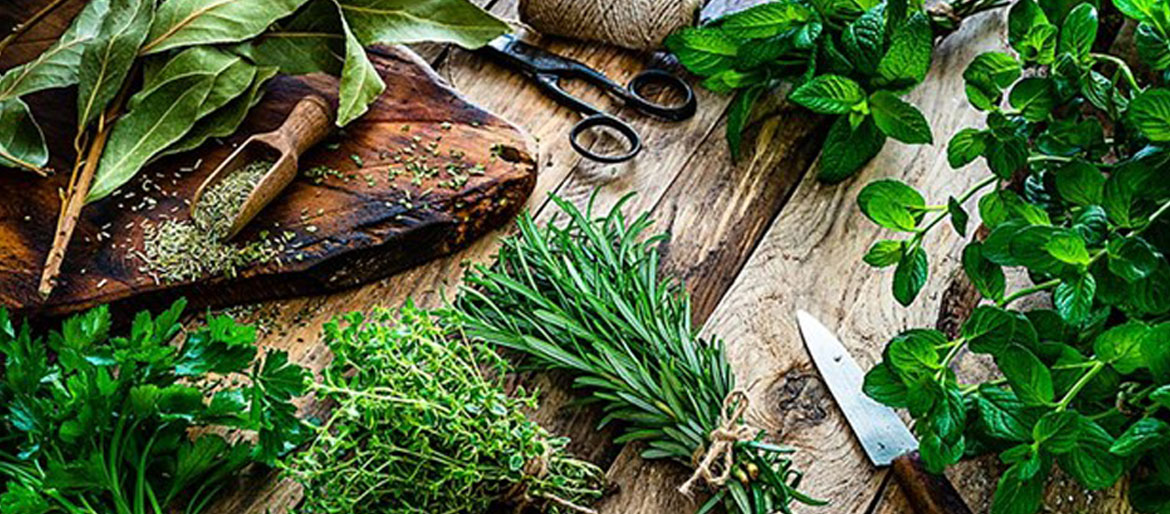
Traditional medicine in Ghana primarily involves the use of herbs, roots, bark, and minerals to treat a wide variety of ailments. This practice is deeply tied to Ghana’s vast biodiversity, with the country’s forests and savannahs serving as both pharmacy and laboratory. Medicine extraction techniques from boiling and drying to grinding and infusing are sophisticated and tailored to preserve the potency of plant-based compounds.
Traditional healers, known as ogyefo, akomfo (spiritual healers), or abibidwomfo, are custodians of this medical knowledge. Their training is often informal yet rigorous, involving years of apprenticeship under established practitioners. Healing is not viewed in purely physical terms. it often encompasses emotional, social, and spiritual dimensions, a holistic approach that modern medicine is only recently beginning to re-embrace.
Cultural Significance and Spiritual Connections
In Ghanaian society, medicine is not separate from culture, it is culture. Many healing rituals are accompanied by music, drumming, and dance, reinforcing the collective nature of healing. Libations are poured, ancestors are invoked, and taboos are respected, underscoring the belief that health and well-being are tied to harmony with the spiritual realm and nature.
For instance, the Ashanti people believe that illnesses can result from breaking spiritual laws or from the displeasure of ancestors. Thus, purification rituals, offerings, or reconciliation may accompany herbal treatments. Among the Ewe, certain diseases are believed to be caused by supernatural forces, and specialized rituals are necessary for healing.
These practices are not seen as superstition but as an acknowledgment of the complex, interconnected nature of life, where the spiritual and the physical are inseparable.