
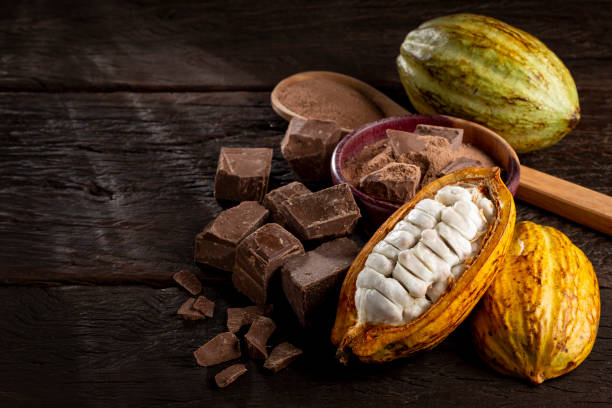
Ghana, globally recognized as the second-largest producer of cocoa, holds a profound and historical relationship with this cherished crop. The journey of Ghanaian chocolate, from the cocoa farms of the Ashanti and Western regions to the shelves of local and international markets is more than an economic tale; it is a narrative deeply woven into the fabric of our heritage and culture.
The Roots of Cocoa in Ghanaian Soil
Cocoa was first introduced to Ghana (then the Gold Coast) in the late 19th century by Tetteh Quarshie, a visionary farmer who brought cocoa beans from Fernando Po (now Bioko, Equatorial Guinea). From his modest farm in Mampong-Akwapim, cocoa cultivation spread rapidly, and by the mid-20th century, Ghana had become a leading producer of high-quality beans.
Cocoa farming is not merely an occupation; it is a legacy passed down through generations. In many Ghanaian communities, families rely on cocoa not just for income but as a source of identity, pride, and unity. Annual cocoa festivals in regions like Sefwi-Wiawso and Dunkwa-on-Offin are celebrated with drumming, dancing, and storytelling, reflecting the central role of cocoa in community life.
From Beans to Bars: The Rise of Ghanaian Chocolate
Historically, Ghana exported most of its cocoa in raw form, with minimal local processing. However, recent years have seen a growing movement toward value addition within the country. Ghanaian-owned chocolate brands such as Golden Tree (produced by Cocoa Processing Company), Niche Cocoa, 57 Chocolate, and Fairafric Ghana have emerged, showcasing local ingenuity and pride.
These companies are not only producing world-class chocolate but also empowering local farmers and creating employment opportunities. By transforming raw cocoa into refined products, Ghana is asserting control over its resources and breaking free from the colonial-era model of raw exportation.
Chocolate and Cultural Identity
Chocolate in Ghana is increasingly becoming a symbol of national identity. Events like National Chocolate Day, celebrated every February 14th, are part of the government’s initiative to promote cocoa consumption and boost domestic tourism. Instead of imported gifts, Ghanaian are encouraged to share locally made chocolate as tokens of love and appreciation.
This cultural shift is important. It helps redefine how Ghanaian perceive their own products moving from viewing cocoa solely as an export commodity to appreciating its cultural, nutritional, and economic value. The celebration of chocolate ties into broader themes of “Made in Ghana” pride and self-reliance.
Conclusion
Ghanaian chocolate is more than a sweet treat. it is a powerful symbol of our cultural heritage, economic ambition, and national pride. As we continue to celebrate and invest in our cocoa story, we preserve not only the legacy of our forebears but also craft a richer, more independent future for generations to come. Through chocolate, Ghana tells a story of resilience, innovation, and identity.