
Fashion in Ghana is more than adornment; it is a living heritage, a mirror of our past, a statement of our present, and a vision of our future. Every fold of cloth, every string of bead, every stitched pattern carries within it the pulse of the Ghanaian spirit, a rhythm that has journeyed through centuries of change, contact, and creativity. From the northern savannahs to the coastal plains, fashion is not merely what we wear but who we are. It is the visible thread that connects our people across ethnic, social, and generational divides.
Clothing in Ghana has always served a purpose far deeper than beauty or utility. It speaks of origin, status, wisdom, and spirituality. In our earliest communities, fabrics were crafted not simply to cover the body but to define belonging, marking the identity of clans, celebrating the sacred, or symbolizing courage and leadership. The colours, textures, and designs each hold language, creating a visual dialogue between wearer and community.
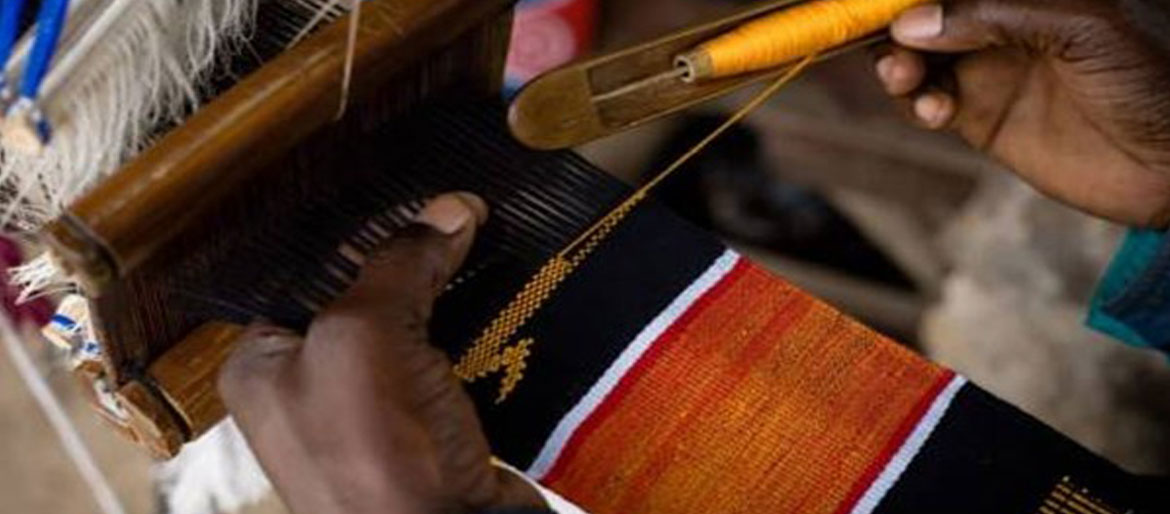
Through the centuries, Ghanaian fashion has evolved alongside the nation’s story. It has absorbed the influences of trade and migration while maintaining its authenticity. From the handwoven kente of the Ashanti to the intricate beadwork of the Krobo, to the dignified smocks of the north and the elegant lace and kaba designs of the coastal peoples, every region contributes to a national tapestry of creative expression. Together, these traditions have built a fashion identity that is dynamic yet deeply rooted in heritage.
Fashion therefore functions as both history and prophecy. It recalls the wisdom of our ancestors while imagining the possibilities of tomorrow. The garments we wear in celebration or mourning, at festivals or state events, are not random choices but intentional affirmations of who we are as a people. They remind us of the resilience that carried us through colonial transitions, the pride that marked our independence, and the innovation that continues to define our modern era.
As Ghana celebrates Fashion, Textile and Accessories Month, we are reminded that our fashion is not just about fabric and form; it is about philosophy and identity. It is a record of cultural endurance, a language of unity, and an emblem of creativity that bridges past and present. Through this celebration, we honour not only the artistry and craftsmanship of our designers, weavers, and beadmakers, but also the enduring legacy of a people who have woven their history into the very fabric of daily life.
Fashion in Ghana lives, breathes, and evolves, just as the nation itself does. It is a story told in colour and texture, a story that continues to inspire pride, affirm identity, and project the vision of a person confident in their cultural destiny.