SLAVE MARKET
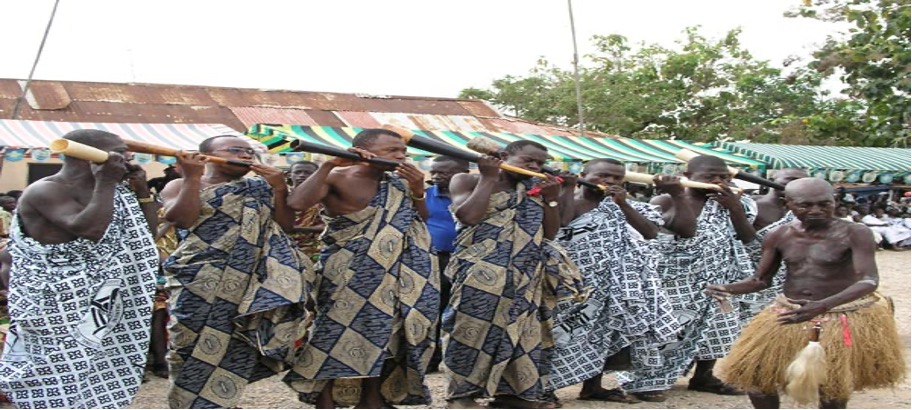
The slave market is located at Abonse, a town that was a vital crossroad on the slave route in the Akwapim North Municipal. It was an important slave market in the 17th and 18th centuries and traces of the original market can still be seen.
OKOMFO ANOKYE SHRINE
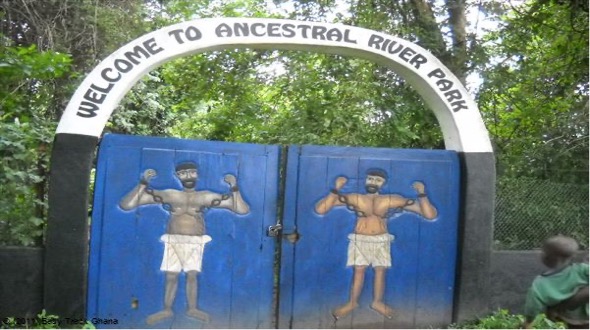
Okomfo Anokye was a legendary priest in the 18th century ascribed to finding the Great Asante Empire. A shrine is dedicated to his supernatural feat at Awukugua – Akwapim in the Akwapim North Municipality. For instance, his hands and foot imprints are permanently etched in solid stone as well as an oware board which is reportedly carved from stone.
COCOA RESEARCH INSTITUTE OF GHANA
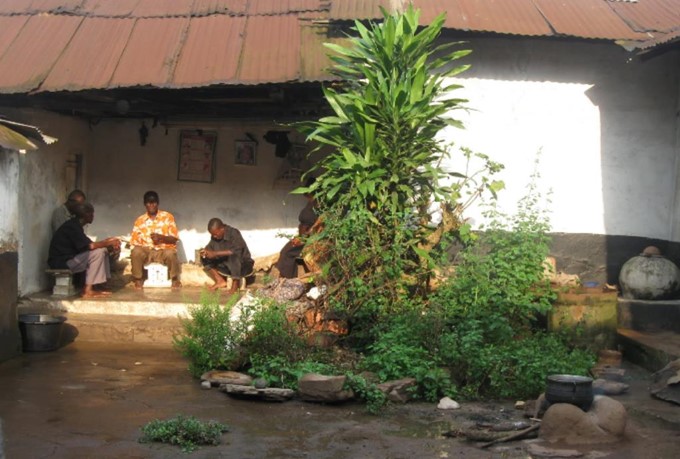
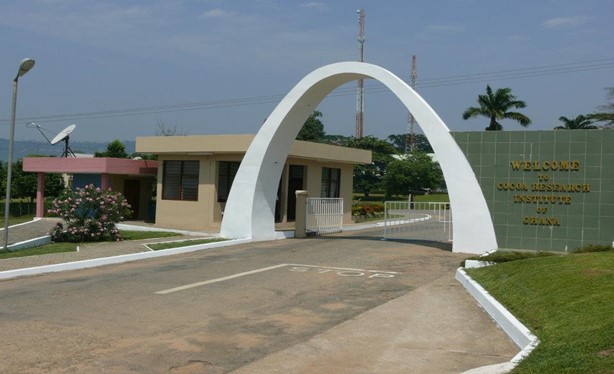
The cocoa research institute was established in June 1938 and it is located at Tafo in the East Akim District, 24 kilometers from Koforidua. The institutes investigate problems of Cocoa, Kola, Coffee, Shea nut and also studies cocoa by-products with emphasis on the utilization of the pod husk for animal feed, fertilizer and soap production and seating for pectin and alcohol production. The institute has a recreational facilities including a bar and gold course which can be booked by advanced reservation.
ABURI BOTANICAL GARDENS
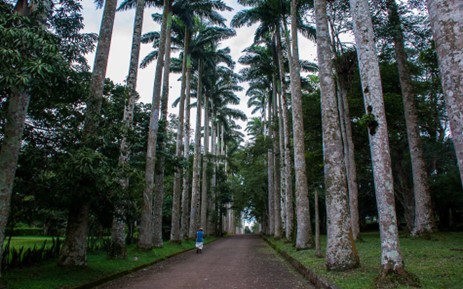
The botanical garden is located at Aburi in the Akwapim South District, about 28km from Accra. The Garden is one of the most beautiful peaceful and fascinating places in the Eastern Region. It is both an educational and aesthetic experience, research purpose with beautiful palm lined lanes and a wide variety of traditional, medicinal plants, including a silk cotton tree (Ceiba pentrandra) that is the sole survivor of the original forest that once covered the Aburi hills.
BOTI WATER FALLS
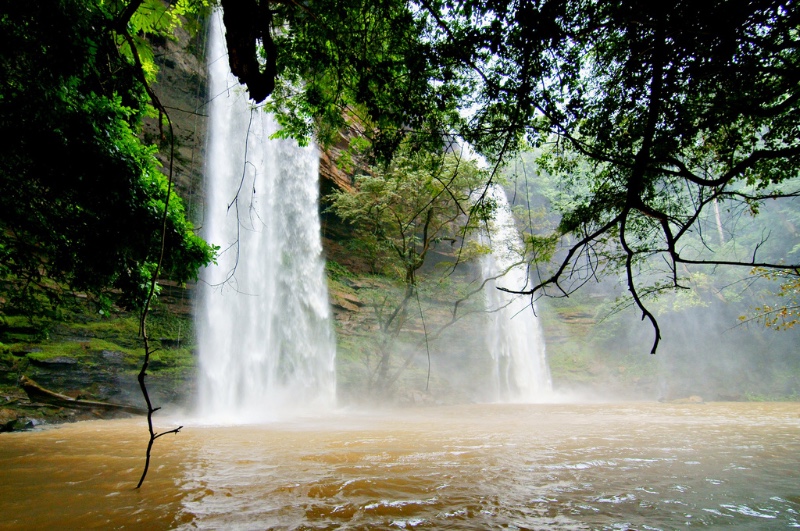
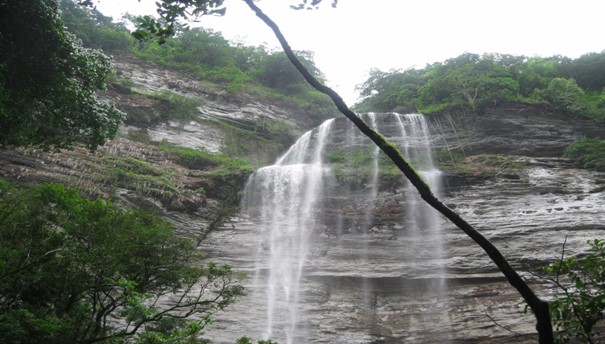
Boti is a seasonal waterfall which is located at Huhunya in the Yilo Krobo District. It has a height of 30 meters with maximum speed of 25km per second. It flows at its best in June to August. on the premises is the fascinating umbrella rock and the three-in-one palm tree: some few distance from the fall itself. A series of falls that cascade. It is surrounded by attractive woodlands and forest.
AKAA WATERFALLS
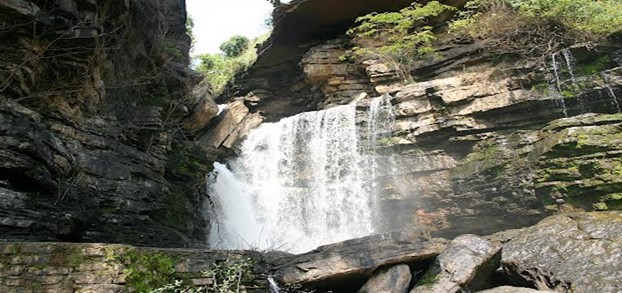
This waterfall is located about 2km away the Akyeremanteng village in the Akwapim North Municipality. It takes its source from the Boti River; the very river from Boti fall takes its source. The rock formation from the entrance of the falls to the falls itself makes it very unique and spectacular that a visitor to this fall cannot help admiring.
THE BEGORO WATERFALLS
Tini Waterfall is located in a lush ever green forest about 6km from Adasawase, a small farming community of about 6km from Anyinam off the Accra-Kumasi highway in the Atiwa District of the Eastern region. The attraction consists of spectacular cascading waterfalls over a giant rock formation and an ancient cave.
TINI WATERFALLS
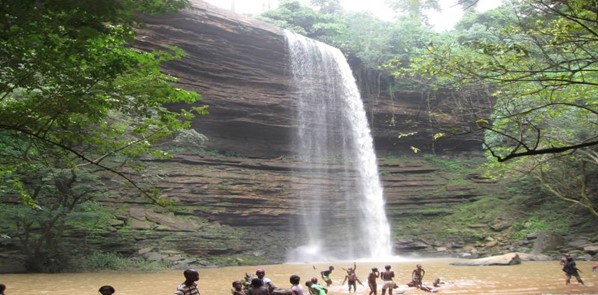
Tini Waterfall is located in a lush ever green forest about 6km from Adasawase, a small farming community of about 6km from Anyinam off the Accra-Kumasi highway in the Atiwa District of the Eastern region. The attraction consists of spectacular cascading waterfalls over a giant rock formation and an ancient cave.
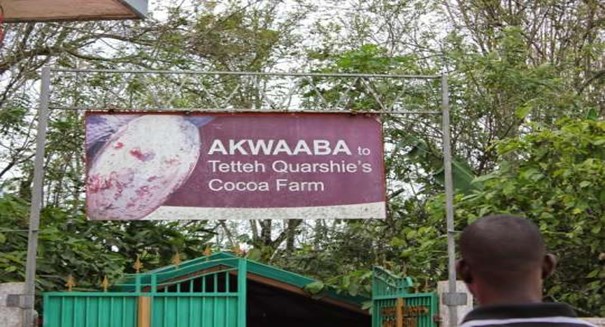
TETTEH QUASHIE ORIGINAL COCOA FARM
THIS WAS THE FIRST COCOA FARM from seeds brought from Fernando Po Island into the country by the Legendary Tetteh Quarshie. From this small beginning established in the country at Mampong-Akwapim grew our major cocoa industry. It is believed that a few of the original first trees planted by Tetteh Quarshie can still be found on the farm.
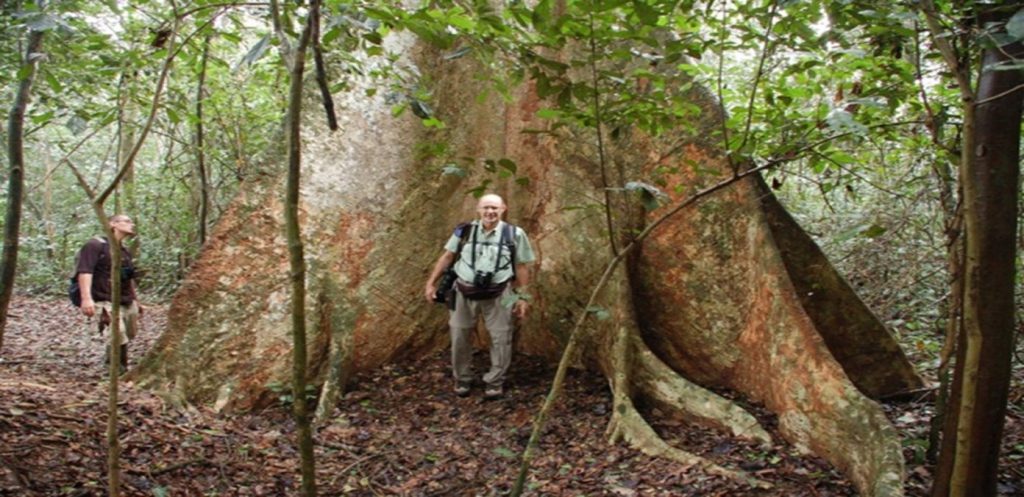
THE BIG TREE
The big tree is reputed to be the biggest and accessible tree in West Africa. It is located at Asantemanso near Akim Oda in Esen – Epam Forest Reserve.
AKONEDI SHRINES
Akonedi shrine is located at Larteh about 56km North Accra on the Akwapem Ridge in the Akwapim North Municipal Assembly. Traditional religious performances, herbal medicine and psychic healing are practiced by the fetish.

OBUOTABIRI SHRINE
The Obuotabiri shrine was established in 1985 at Koforidua in the New Juaben Municipality after the return of Nana Afua Tabiri from the “land of Dwarfs” after she was mysteriously reported missing from school.

BUNSO ARBORETUM CANOPY WALK WAY
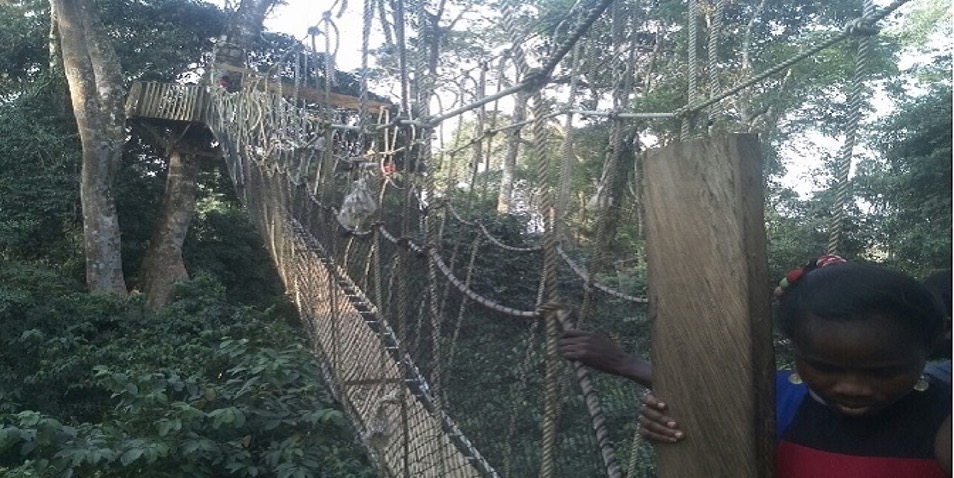
It is located at Bunso in the East Akim District. It is home to different species of trees, butterflies and birds. This makes it lovely for visitors to get opportunity to experience a unique nature walk and have a view of the butterfly garden and the Herb Garden as well. The canopy walkway is a new addition to the Arboretum and is connected with six (6) trees; including the devil’s tree and Dahoma tree with five Platforms that reach the height of 35 metres and length of 210 meters. Mobile swimming pool and bouncy castle are provided for visitors during holidays and special programmes.
AKOSOMBO DAM/VOLTA LAKE
Akosombo Dam Also known as the Akosombo Hydroelectric Project is a hydroelectric dam on the Volta River in southeastern Ghana in the Akosombo gorge and part of the Volta River. Lake Volta is the largest man-made lake in the world by surface area. It covers 8,502 square kilometers (3,283 sq. mi), which is 3.6% of Ghana’s land area. The dam is 132 metres high from its foundation and 660 metres long. It has created a reservoir of water, of about 780-kilometre square surface area with a total storage capacity of 148 metres. The Dam over the years, has been a major destination for educational tourism especially for students.

ODOMANKOMA AHENFIE ROCK
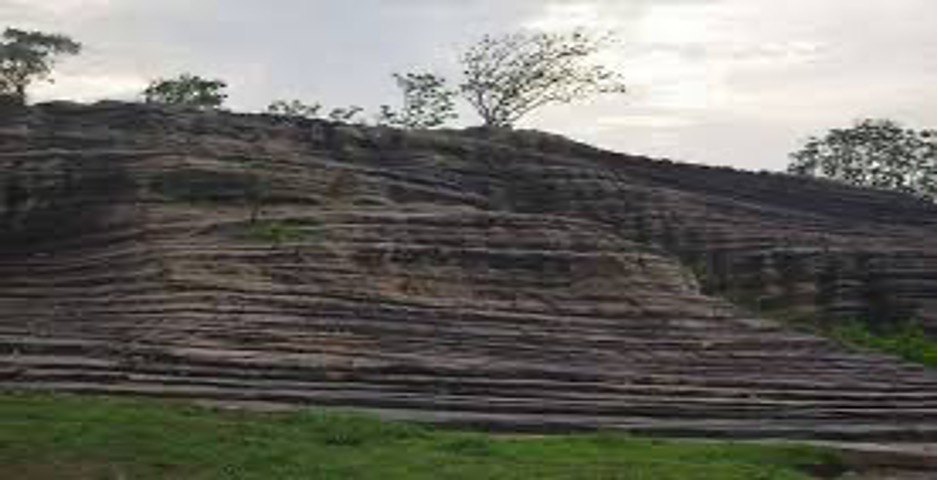
Odomankoma Ahenfie Rock is a Tourist Attraction at Aboabo a village near Begoro in the Fanteakwa District. Odomankoma Rock is made up of rocks which are naturally carved into multiple types of shapes like oware, earthenware bowl, blackboard and other marvelous shapes which makes the site a very interesting place to be and has a serene environment.
ADJEIKROM COCOA TRAIL
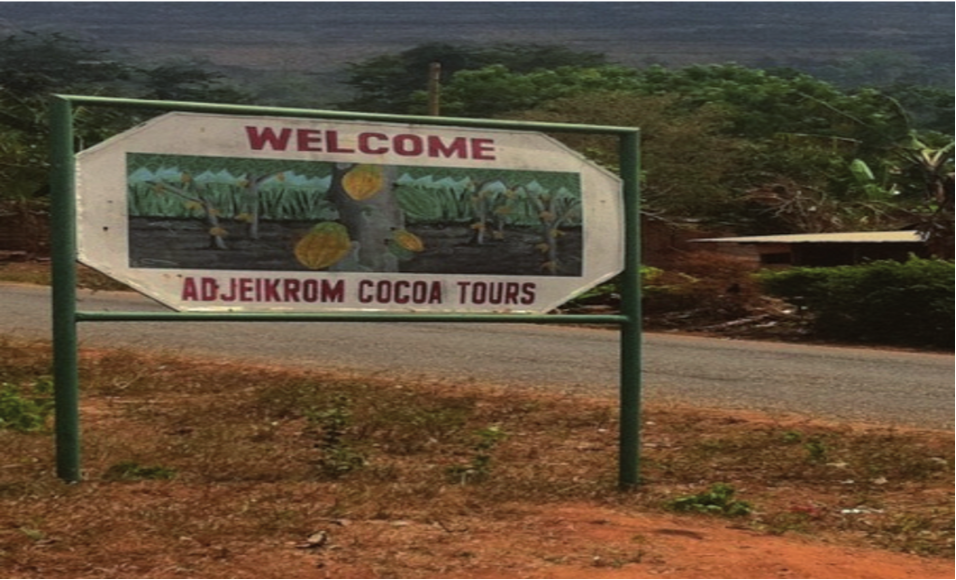
Adjeikrom (the town was named after the founder Samuel Adjei) is located on the main Osiem-Begoro road, off the Koforidua-Kumasi highway in the Fanteakwa District. Tourists do go to Adjeikrom Cocoa Trail prominently for Cocoa Farm Tour, Village Tour and Mountain Hiking. Adjeikrom Cocoa Trail also plays a role in the production of cocoa in the Agricultural Industry.
FESTIVALS
Festivals in Ghana are occasions for the remembrance of dead relatives and ancestors, merry making and get together. It is also periods for chiefs and people to meet and discuss pertinent and developmental issues in their respective villages and towns.
OHUM FESTIVALS
This festival is celebrated by all towns and villages in the Akim Abuakwa traditional areas; with a grand durbar at Kibi and Tafo. It is celebrated twice in a year during the months of June/July and September/October known as Ohum-Kan and Ohum-Kyire respectively.
ODWIRA & OHUM FESTIVALS
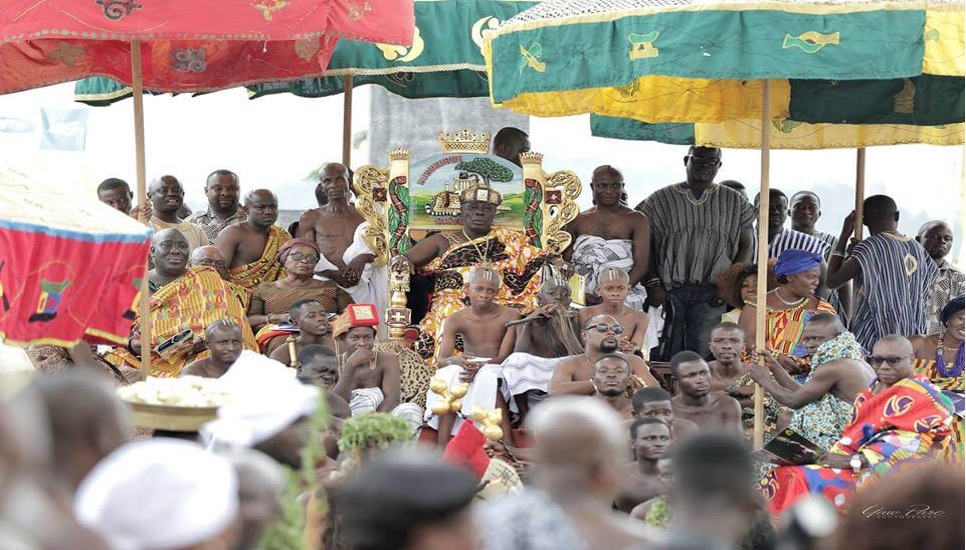
One of the most famous and important festivals celebrated in Ghana are the Odwira and Ohum Festivals celebrated in turns by the chain of towns of the Akwapim Ridge. These festivals commence in September and end in January every year. The ceremonies included purification of the stools, reaffirmation of political loyalties and traditional allegiance. Culture is seen at its best during these festive occasions.
DIPO FESTIVAL
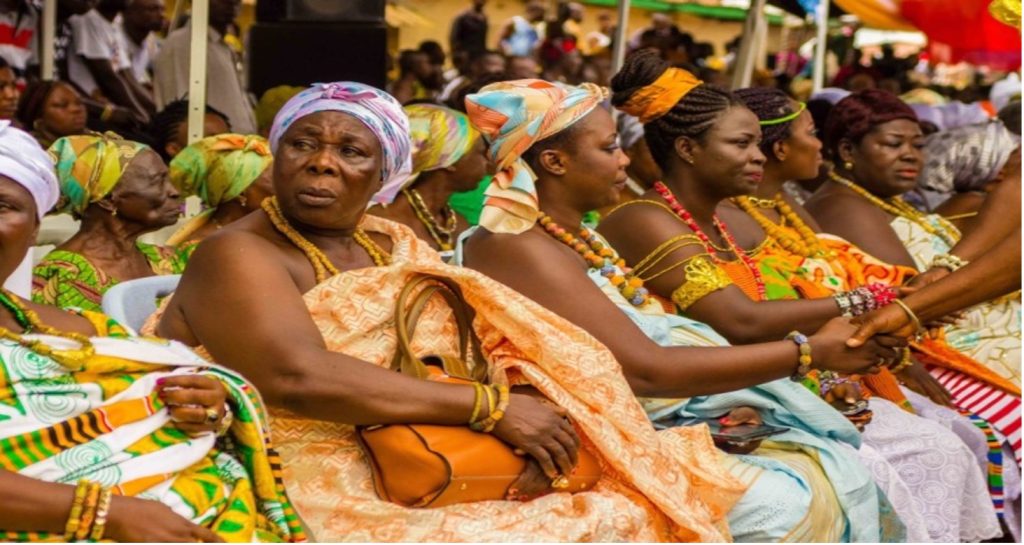
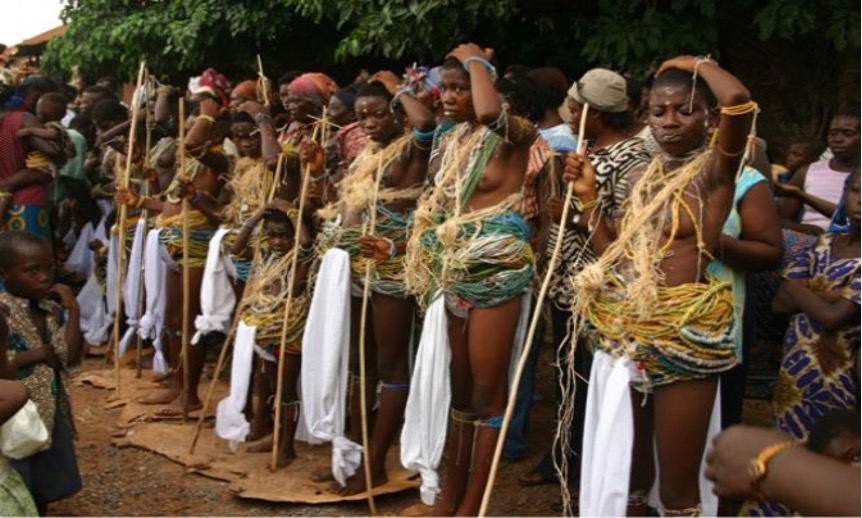
Dipo festival: Dipo is celebrat4ed by the people of Manya and Yilo Krobo in the town of Krobo-Odumase and Somanya, about 80km North of Accra. The mode of celebration is that adolescent girls are adorned in beautiful beads and half naked near nudity. The festival initiates such girls into womanhood.
HANGS AND PARAGLIDING
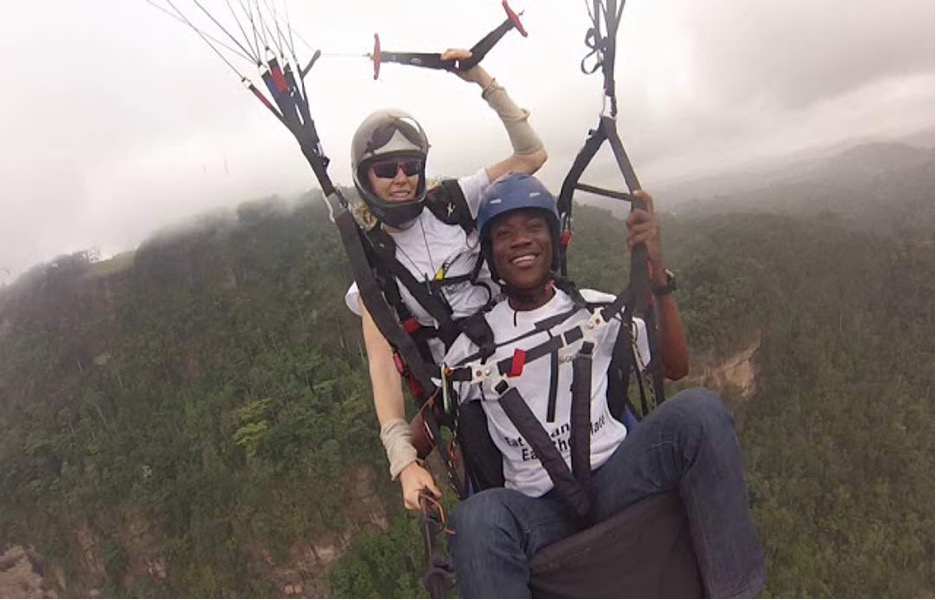
This event was introduced in 2005 at Atibie Kwahu in the Kwahu South District which as usual coincides with the Easter celebrations on the Kwahu Mountains. It is the first of its kind in Sub-Saharan Africa and 3rd in Africa after Kenya and South Africa. It draws people from all over Diasporas to Kwahu for this festive celebration. The adventurous sporting has its launch pad (take off point) at the Odweanoma Mountains which is also host to a receptive facility and other adventurous attractions.
KLOYO SIKPLEMI
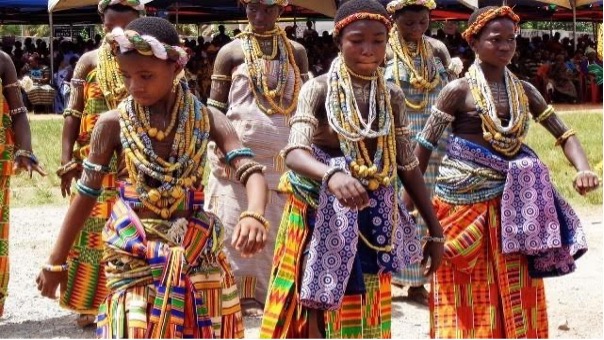
This refers to the eviction of the Krobos from the Krobo mountains in 1892 by the then British Colonial Government. The festival is marked every year with an expedition to the top of the mountain to pay homage to ancestral home. It takes place in November by the Yilo Krobos.
AKWANTUKESE
This festival is celebrated by the chiefs and people of New Juaben traditional Area. It is a period of consecration of black stools, invocation of the blessings of ancestral spirits and show of appreciation to the gods for their guidance. A colourful durbar of chiefs is marked to end the occasion. It is celebrated in the first week of November each year.