
One of Ghana’s greatest assets is its rich repository of indigenous knowledge. From the herbal medicine traditions of the Akan and Ewe to the water harvesting techniques of the Northern regions, there is an untapped wealth of scientific knowledge within Ghana’s cultural practices.
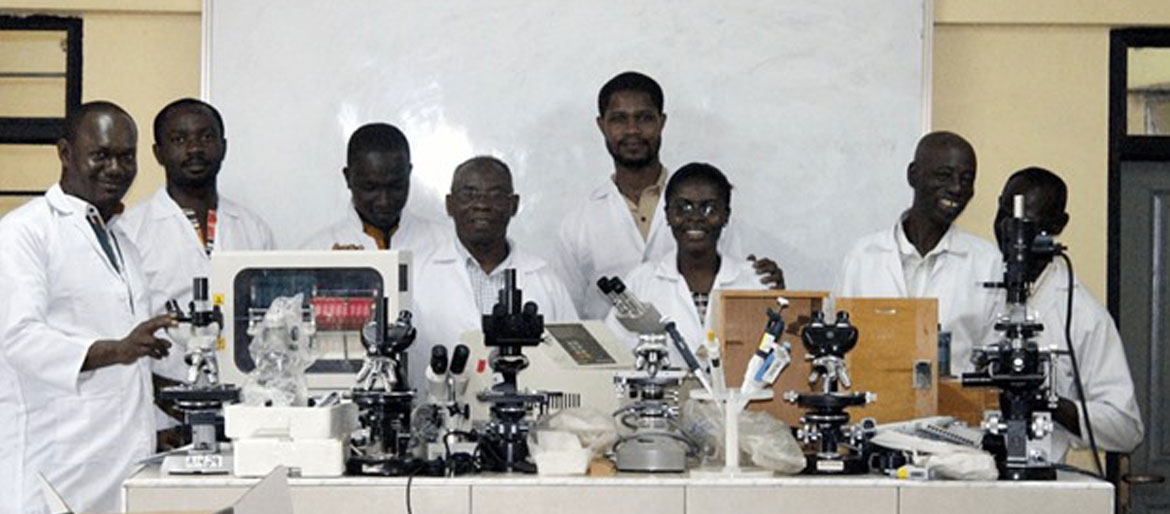
Universities and research institutions are beginning to recognize this. The Centre for Scientific Research into Plant Medicine in Mampong-Akwapim, for instance, is an institution that validates traditional herbal practices with modern science, creating a bridge between cultural heritage and formal health care systems. This not only validates indigenous science but also helps to preserve and promote Ghanaian culture on a national and global level.
Education and Cultural Identity
Science education in Ghana is increasingly shifting towards inclusivity bringing culture into the classroom. Curricula are being reviewed to incorporate indigenous examples in teaching concepts like physics, chemistry, and biology. This approach helps students relate more deeply to scientific principles by seeing them reflected in their own environment and heritage.
By aligning scientific exploration with cultural relevance, Ghana can inspire a new generation of scientists who not only innovate but also appreciate the historical and cultural context of their work. This reinforces national identity while propelling technological advancement.
Toward a Sustainable and Culturally Conscious Future
Ghana’s journey in scientific extraction is not only about digging into the earth, it’s about digging into history, culture, and knowledge systems that have stood the test of time. The integration of science with heritage ensures that development is not just modern but also meaningful.
As Ghana continues to evolve technologically, it must continue to embrace its roots. The future lies in innovation that is inspired by the past, informed by culture, and driven by a collective vision for a more sustainable and culturally enriched society.