
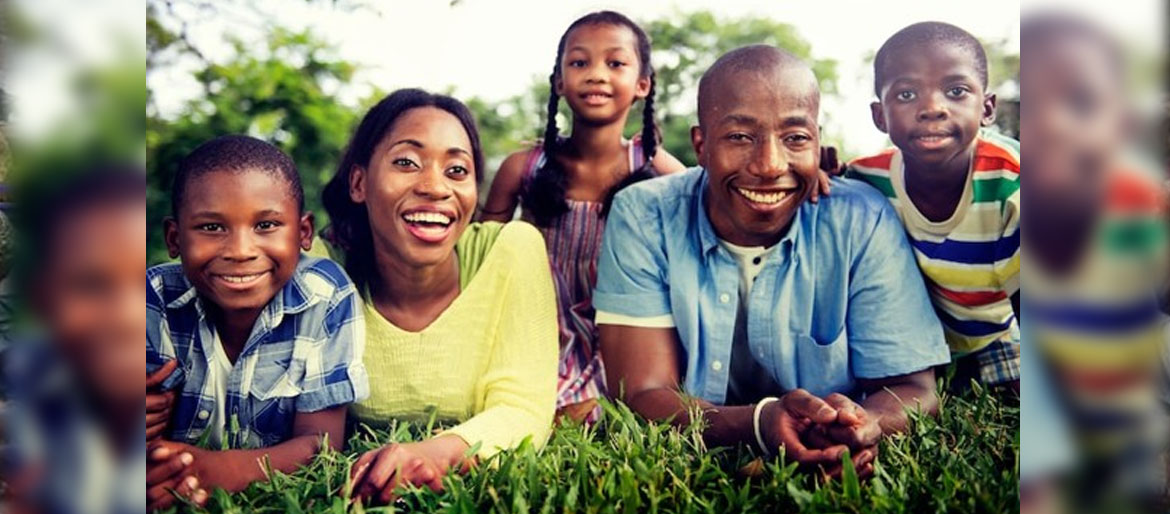
Building resilient families requires shared commitment from individuals, communities, institutions, and the State. As Ghana continues to advance socially, economically, and technologically, the family must remain at the centre of national development efforts. Resilient families are better equipped to nurture responsible citizens, adapt to changing circumstances, preserve cultural identity, and contribute meaningfully to peaceful and prosperous communities. Strengthening the family is therefore not only a social objective but also a national development priority.
The foundation of a resilient family lies in the deliberate cultivation of values that promote unity, responsibility, and mutual respect. Love, honesty, integrity, discipline, empathy, accountability, respect for elders, and care for children remain essential principles that strengthen relationships within the home. Families that consciously uphold these values create stable environments where children develop confidence, emotional security, and a strong sense of identity, preparing them to become responsible members of society.
Effective communication and meaningful relationships between generations are equally important. In an era of rapid technological and social change, regular dialogue between parents, children, grandparents, and other family members helps bridge generational differences while preserving cultural knowledge and shared values. Conversations that encourage listening, mutual understanding, and respect enable families to address challenges constructively and strengthen the bonds that unite them across generations.
Education also remains central to building resilient families. Beyond formal schooling, lifelong learning within the home equips family members with the knowledge, skills, and values needed to respond to changing social and economic conditions. Parents and caregivers who promote reading, critical thinking, financial responsibility, digital literacy, environmental awareness, and civic responsibility prepare future generations to participate confidently in national development while remaining grounded in Ghana’s cultural heritage.
Communities and traditional institutions continue to play an important role in supporting family wellbeing. Traditional leaders, queen mothers, religious institutions, schools, community organisations, and civil society organisations provide guidance, mentorship, counselling, and social support that complement the efforts of families. Through festivals, cultural education programmes, community dialogues, youth development initiatives, and social welfare activities, these institutions reinforce the values of unity, responsibility, cooperation, and mutual care that have long characterised Ghanaian society.
Government institutions likewise have an important responsibility to create an enabling environment in which families can thrive. Policies that promote quality education, accessible healthcare, child protection, social welfare, employment creation, affordable housing, gender equality, disability inclusion, and support for older people contribute significantly to family wellbeing. Effective collaboration between government agencies, local authorities, development partners, traditional institutions, and communities strengthens national efforts to protect and empower families across the country.
The National Commission on Culture has a unique role in advancing these efforts by promoting the cultural values that strengthen family life and national identity. Through cultural education, festivals, heritage preservation, public awareness campaigns, traditional arts, and community engagement programmes, the Commission contributes to safeguarding the customs, languages, traditions, and indigenous knowledge that families transmit from one generation to the next. These initiatives help ensure that cultural heritage remains a living resource that continues to enrich family life and national development.
As Ghana looks to the future, building resilient families will require balancing tradition with innovation. Families must be encouraged to embrace the opportunities presented by education, science, technology, entrepreneurship, and global engagement while preserving the cultural values that define Ghanaian society. By strengthening families today, Ghana invests in future generations of responsible citizens, ethical leaders, creative innovators, and committed patriots who will continue to safeguard the nation’s cultural heritage and contribute to its sustainable development.