
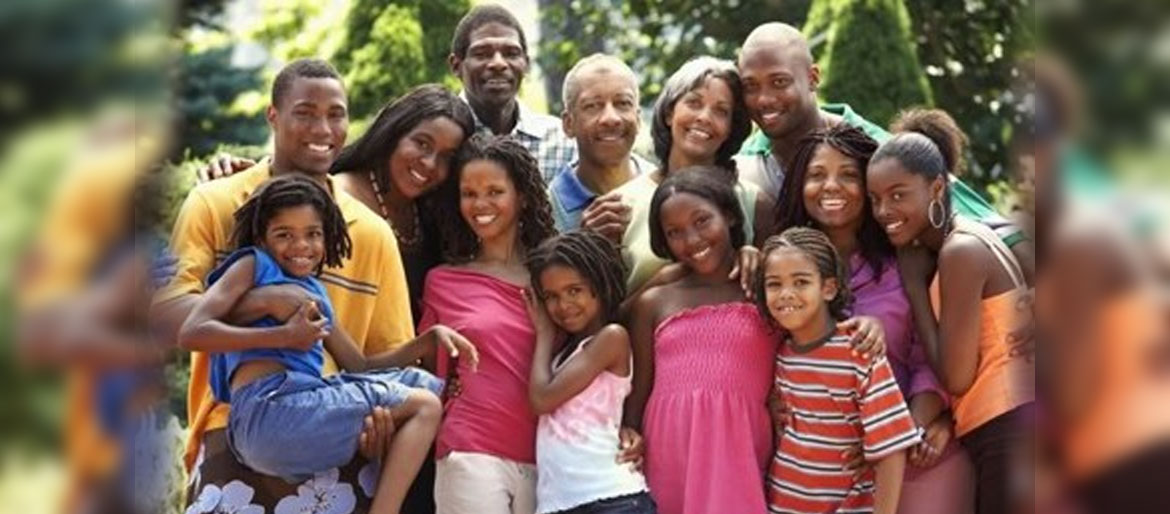
The family has always been the principal institution through which Ghana’s cultural heritage is preserved and transmitted from one generation to another. Long before the establishment of formal schools and modern educational systems, families served as the primary centers of learning where children acquired the knowledge, values, customs, and practical skills necessary for responsible adulthood. This process of cultural transmission has ensured the continuity of Ghana’s diverse traditions while strengthening the identities of communities across successive generations.
Traditional Ghanaian society has historically been organized around strong family and kinship systems that extend beyond the nuclear household. In many communities, grandparents, uncles, aunts, older siblings, and other relatives actively participate in the upbringing of children, reinforcing the belief that raising a child is a shared responsibility. This collective approach to family life provides children with multiple sources of guidance, mentorship, and emotional support while strengthening social bonds within the wider community.
One of the most enduring contributions of the family is the preservation of indigenous languages. The home is where children first learn to speak their mother tongue, communicate with relatives, and understand the expressions, idioms, greetings, and proverbs that reflect the wisdom of their communities. Ghana is home to more than seventy indigenous languages, each carrying unique histories, cultural knowledge, and worldviews. Families therefore play a vital role in ensuring that these languages continue to flourish despite increasing urbanization and the growing influence of foreign languages in education, business, and digital communication.
Beyond language, families are the custodians of customs and traditions that define community life. Children learn appropriate forms of greeting, respect for elders, communal responsibilities, hospitality, and acceptable social behaviour through daily interactions within the home. They are introduced to traditional ceremonies such as naming ceremonies, puberty rites in some communities, marriage customs, funerals, festivals, and other important cultural observances that mark significant stages of life. Participation in these cultural practices enables young people to develop a sense of belonging and appreciation for their heritage.
Storytelling has traditionally occupied a special place within Ghanaian families. Through folktales, legends, myths, songs, riddles, and proverbs, older generations have transmitted moral lessons, historical knowledge, cultural beliefs, and practical wisdom to younger family members. Evening storytelling sessions not only entertained children but also nurtured critical thinking, imagination, discipline, courage, honesty, humility, and respect for others. Many of these oral traditions continue to serve as valuable educational resources that reinforce cultural identity and ethical values.
Families also play an important role in preserving indigenous knowledge and traditional occupations. Across generations, parents and elders have passed on practical skills in farming, fishing, weaving, pottery, blacksmithing, carving, bead making, basket weaving, traditional architecture, herbal medicine, textile production, drumming, dancing, and other specialized crafts. Through observation, participation, and apprenticeship within the family, children gradually acquire the knowledge and skills that contribute to the survival of many of Ghana’s cultural industries and traditional livelihoods.
Religious and spiritual beliefs have likewise been shaped within the family environment. Families introduce children to the moral principles, ethical values, and spiritual practices that guide their communities, while teaching respect for sacred places, traditional authority, ancestors, and community institutions where these remain part of local cultural life. At the same time, many Ghanaian families today also nurture religious values through Christianity, Islam, or other faith traditions, demonstrating the country’s rich cultural and religious diversity while emphasizing shared principles of compassion, honesty, responsibility, and peaceful coexistence.
Although family structures and lifestyles continue to evolve, the family remains the first and most influential institution through which cultural identity is formed. It is within the home that individuals first learn who they are, where they come from, and the values that shape their relationship with society. By preserving language, customs, oral traditions, indigenous knowledge, moral values, and collective memory, Ghanaian families continue to serve as the custodians of the nation’s rich cultural heritage and ensure that future generations remain connected to their history and identity.