
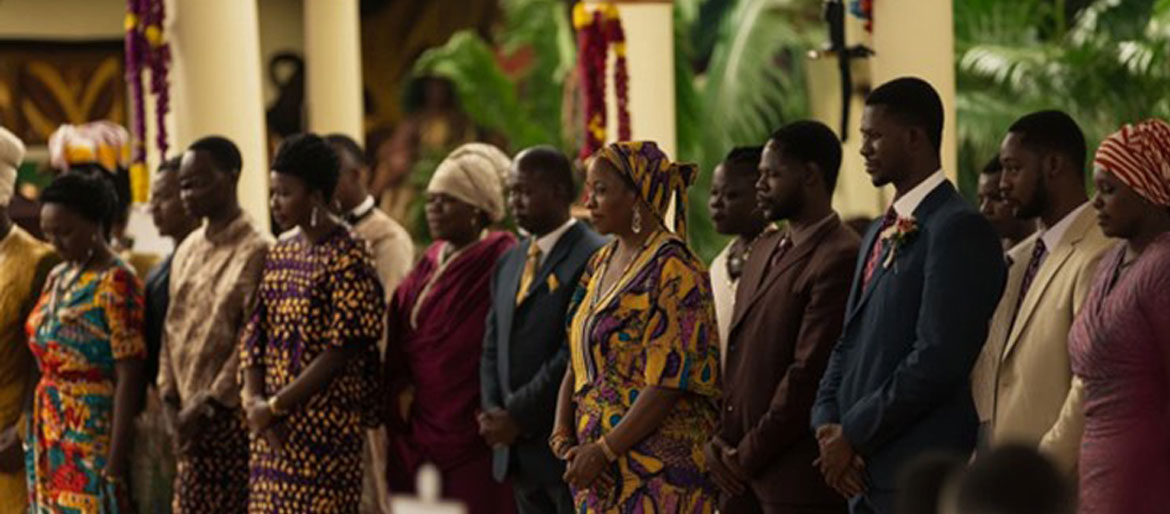
The story of Ghana is not confined within its present borders. It is a living network of movements, encounters, and exchanges that stretch across West Africa and into the wider African diaspora. This month’s Black Star Experience theme, History and Diaspora, invites us to see Ghana not just as a nation, but as a historical crossroads where cultures met, transformed, and radiated outward into the world.
What we celebrate is not isolated histories, but interconnected journeys of peoples who built states, forged trade routes, resisted domination, and carried their identities across oceans.
Long before the rise of centralized states, the land now called Ghana was shaped by early settlers such as the Guan groups. Communities like Efutu, Awutu, and Senya established themselves across the coastal plains, forest zones, and highlands. These societies were not primitive or fragmented. They developed structured leadership systems, spiritual traditions, and land management practices that influenced later arrivals. Traditions surrounding ancient settlements such as Ataara Ofinam reflect early forms of organized governance and identity. In the context of the diaspora, these early societies represent the deep cultural roots from which later Ghanaian identities emerged, roots that would eventually travel far beyond the continent through migration and displacement.
Between the 11th and 15th centuries, northern Ghana became integrated into vast trans Saharan trade systems linking West Africa to North Africa and the Mediterranean. The Mole Dagbon states, including Dagbon and Mamprusi, rose as powerful kingdoms. Oral traditions point to founding figures such as Tohazie, whose legacy symbolizes the formation of centralized authority in the savannah. These states traded in gold, kola nuts, textiles, and livestock, connecting Ghana to empires such as the Mali Empire and later Songhai. Through these exchanges, ideas, religion, and governance systems flowed across regions. This northern connection reminds us that Ghana’s history has always been part of a larger African and global network, predating European contact.