
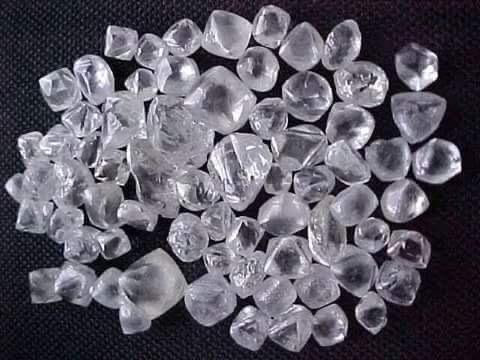
Ghana, often referred to as the “Gateway to Africa,” is globally recognized for its rich natural resources, particularly gold. However, nestled within its wealth of minerals lies another gem diamonds. While not as globally publicized as gold, diamond extraction has played a significant role in shaping Ghana’s economy, local communities, and even its cultural identity. This article explores Ghana’s diamond industry and examines how it intersects with the nation’s heritage and culture.
Historical Background of Diamond Mining in Ghana
Diamond mining in Ghana began in the early 20th century, with commercial production taking off in the 1920s. The major diamond-producing area is Akwatia, located in the Eastern Region of Ghana. Operated historically by the Ghana Consolidated Diamonds (GCD) company, Akwatia once held one of the richest diamond deposits in West Africa. Over the decades, both large-scale and small-scale mining activities have contributed to Ghana’s diamond output, with artisanal miners playing a particularly vital role in the sector.
Economic Contribution and Community Impact
Diamonds have provided income and employment for thousands of Ghanaians, particularly in the Eastern Region. The revenue generated from diamond exports contributes to national income and supports infrastructure development in mining communities. However, the sector has also faced challenges, including mismanagement, environmental degradation, and fluctuating international demand.
Efforts have been made to reform the sector to ensure that diamond mining benefits local communities. In recent years, Ghana has implemented the Kimberley Process Certification Scheme (KPCS) to eliminate conflict diamonds and promote ethical mining practices. This initiative not only boosts international confidence in Ghanaian diamonds but also aligns the industry with the values of transparency and accountability.
Cultural Significance of Diamonds in Ghana
While diamonds are often viewed through an economic lens, they also hold cultural significance in Ghanaian society. Traditionally, gemstones and precious minerals have been symbols of status, power, and spiritual protection. In some Ghanaian communities, diamonds and other gemstones are believed to possess metaphysical properties, used in ceremonial attire or rituals.
Moreover, diamond mining communities like Akwatia have developed unique cultural identities tied to the industry. The stories of miners, their tools, songs, and oral histories have become part of Ghana’s rich cultural tapestry. Festivals and communal gatherings in these areas often reflect the struggles and triumphs associated with the diamond trade, preserving collective memory and heritage.
Challenges and the Future of Diamond Mining in Ghana
Despite its potential, Ghana’s diamond sector faces several hurdles. Illegal mining (known as “galamsey”), environmental degradation, and the decline of major mining firms have affected production. Additionally, artisanal miners often lack access to modern tools and fair market prices, leading to exploitation.
However, there is a renewed focus on formalizing small-scale mining and integrating sustainability into the sector. Through education, technology, and regulation, Ghana aims to revitalize its diamond industry while ensuring that it continues to benefit both the economy and the culture.
Conclusion
Ghana’s diamond industry is more than just a story of mineral extraction—it is a narrative deeply intertwined with heritage, identity, and resilience. From the dusty mines of Akwatia to the ceremonial traditions that honor precious stones, diamonds are part of Ghana’s cultural and economic legacy. As the nation moves forward, embracing sustainable and inclusive practices will ensure that the sparkle of its diamonds continues to illuminate both its past and its future.