
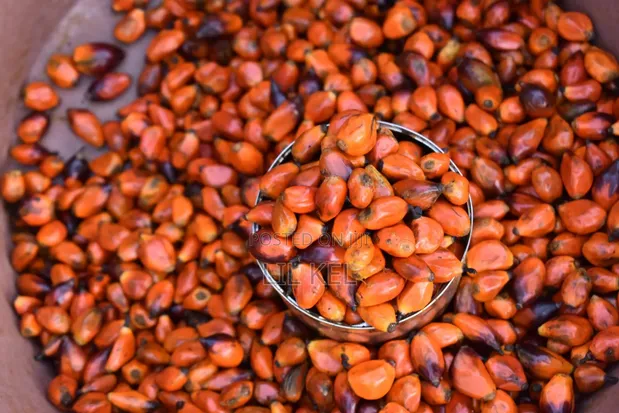
Ghana, a nation rich in natural resources and cultural traditions, holds a special relationship with the palm tree, an iconic symbol found across its landscape. Beyond its economic value, the palm tree is deeply woven into the heritage, rituals, culinary practices, and everyday lives of Ghanaians. The diverse extracts from this tree are palm wine, palm oil, and other by-products that are not merely resources, but cultural cornerstones passed down through generations.
Palm Wine: The Drink of Tradition and Celebration
One of the most culturally significant extracts of the palm tree is palm wine, a sweet, milky-white sap tapped from the tree. In many parts of Ghana, particularly in rural and forest zones, palm wine is a cherished drink used in social and spiritual gatherings.
Palm wine is central to traditional rites such as marriage ceremonies, naming ceremonies, funerals, and festivals. Elders often use it during libation, an ancient practice of invoking ancestral spirits for protection and blessings. It is also served to guests during communal celebrations, symbolizing hospitality, unity, and communal bonding.
In some regions, palm wine tapping is considered a sacred skill. Tappers, often from lineages that have passed down the craft, use specific methods to extract the sap without damaging the tree. This reflects the reverence with which the tree and its gifts are regarded.
Palm Oil: A Culinary and Ritual Staple
Equally significant is palm oil, known in Akan as abε and in Ewe as dzomi. Extracted from the red fruit of the palm tree, this oil is a cornerstone of Ghanaian cuisine. Dishes such as red red, kontomire stew, etɔ, and apapransa rely on its rich colour, flavour, and aroma.
Beyond its culinary value, palm oil plays important roles in cultural and religious rituals. It is used in offerings to deities and ancestors, particularly during festivals and sacred observances. The oil symbolizes vitality and prosperity, often smeared on symbolic objects during rites of passage.
Palm oil production also reflects traditional knowledge systems. In many communities, women lead the oil extraction process, using age-old techniques that involve boiling, pounding, and skimming. This labor-intensive process is not only a source of income but also a means of cultural preservation and intergenerational bonding.
Crafts, Medicine, and Sustainability
The utility of the palm tree extends far beyond wine and oil. Its leaves are woven into baskets, mats, brooms, and roofing materials, showcasing the craftsmanship of Ghanaian artisans. The hard kernel is used in making black soap and palm kernel oil, both known for their medicinal and cosmetic properties.
Palm related products also play a role in traditional medicine. Palm oil is used as a base for herbal remedies, while palm wine is sometimes used as a solvent in the preparation of traditional tonics. These practices demonstrate how Ghanaian culture integrates natural resources into holistic systems of health and wellbeing.
Importantly, palm use in Ghana is traditionally governed by principles of sustainability. Communities have long practised rotational harvesting, tree conservation, and respect for natural cycles, demonstrating indigenous ecological wisdom.
A Living Heritage
The cultural importance of palm extracts in Ghana is not a relic of the past, it is a living, evolving heritage. From bustling markets in Accra to serene village ceremonies in the Volta and Western Regions, the presence of palm products is unmistakable. They connect the modern Ghanaian to ancestral roots, community values, and the land itself.
As Ghana continues to modernize and engage with global markets, it is essential to protect and promote this cultural heritage. The story of the palm tree is not just about products. It is about identity, spirituality, and the unbreakable link between people and nature.
Conclusion
The palm tree in Ghana is more than a plant. It is a cultural emblem. Its extracts nourish not only the body but the spirit, playing roles in ceremonies, cuisine, crafts, and healing. As the world turns toward more sustainable and culturally rooted ways of living, Ghana’s age-old relationship with the palm tree stands as a powerful example of harmony between culture and nature.